ADVERTISEMENT
How to Manage Acid Reflux Without Medication
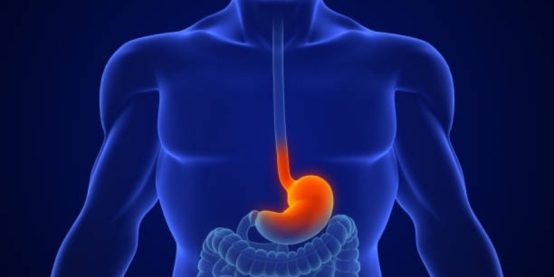
Acid reflux is more prevalent than most people realize. It occurs when stomach acid flows back up into the esophagus, the tube that connects the mouth with the stomach, resulting in some discomfort. This backflow may result in symptoms like burning sensation in the chest (heartburn), a sour taste in the mouth, or throat irritation.
For some, their symptoms are simply too uncomfortable to ignore, while others are looking for a more natural way to resolve their issues. Whether it is for the sake of avoiding side effects or in the hopes of improving the quality of life, there are great reasons to want to tackle the problem head on. The good news is that, most symptoms can be managed or permanently resolved with the right changes in eating habits, diet, and daily routines.
What Causes Acid Reflux?
Acid reflux symptoms most commonly occur when the lower esophageal sphincter (LES), a ring-like muscle at the bottom of the esophagus, fails to close securely. Acid from the stomach may then freely flow up in the case of these described scenarios.
There are a few different things that can make this problem worse for you, such as:

Eating large meals
Consuming fatty or spicy foods
Lying down soon after eating
Drinking alcohol, coffee, or carbonated beverages
Smoking
Being overweight or obese
Steps to Prevent or Manage Symptom Exacerbation
From a self-management perspective, the recording of daily meals along with symptom status represents an effective way of managing personal triggers as well as determining symptom severity.
Make Smaller Meals a Greater Eating Frequency
Remember that large meals can lead to stomach ulcers and increased acid output. Eating smaller and more frequent meals aids digestion and helps ease pressure around the stomach, reducing acid reflux.
Avoid Eating Meals Two to Three Hours Before Sleep
When you stay up after eating a large meal during the day or eating close to bedtime, this can lead to acid reflux. Make sure you eat well ahead of bedtime to allow the stomach enough time to digest, reducing the risk for acid reflux at night.
To Maintain A Healthy Weight
Extra abdominal fat can harm the stomach’s pressure level and the LES, worsening the chances of experiencing gastric reflux. Adopting a balanced diet and exercising regularly can provide a gradual weight loss, leading to long-term relief.
Avoid Fitting Clothes
Tight clothes and waistbands can worsen gastric discomfort. Avoid clothing that increases the compression of the stomach.
To Quit Smoking
Smoking is known to weaken the LES while simultaneously increasing stomach acid levels. Quitting smoking, on the other hand, can relieve reflux and lead to a boost in overall health.
Dietary Changes Can Alleviate Acid Reflux
Diet management is essential in the maintenance of acid reflux.
Identify and Avoid Trigger Foods
The following are the most common acid reflux triggers:
Tomates and tomatoe-based sauces
Oranges and lemons
Peppermint
Onions and garlic
Fried and high-fat foods
Chocolate
Restricting or removing these foods can lead to a decrease in the frequency of symptoms.
Alkaline and Low-Acid Foods
Food like the following, aid in neutralizing gastric juices:
Pork and other meat dishes.
Low fat soups.
Oatmeal.
Spinach and other green vegetables.
To Alleviate Esophagus Irritation
Natural methods can aid in calming irritation, including:
Ginger
Aloe vera juice
Chamomile tea.
These juices and teas are known to pacify irritation with gastric acid.
Stay Hydrated — But Not During Large Meals
Drinking water throughout the day aids digestion, but sipping too much during meals stretches the stomach and increases the chances of reflux.
Home Remedies That Offer Some Relief
Though these methods are not treatments, they can provide temporary relief.
Gum After Meals
After meals, chewing gum can increase the production of saliva, which not only neutralizes acid but can also help wash it back into the stomach.
Herbal Teas
Some herbal teas like ginger, chamomile, and deglycyrrhizinated licorice root help soothe discomfort. Furthermore, all herbal teas are naturally caffeine-free, which is great since caffeine can aggravate reflux.
Apple Cider Vinegar
Diluted apple cider vinegar is helpful for some people, but others find it aggravates their symptoms. It is best to use vinegar cautiously and only in diluted forms.
Quick Relief with Baking Soda Water
Mixing water with a small amount of baking soda can neutralize stomach acid. However, this method should be used in moderation, as too much can disrupt the body’s electrolyte balance.
Relief from Nighttime Worsening
Reflux symptoms tend to be more severe at night, but small changes can provide ease.
Use Riser or Wedge Pillows to Elevate the Head of Your Bed
Using risers or a wedge pillow to raise the bedhead around 6 to 8 inches prevents acid from moving up while resting.
Sleep on Your Left Side
The left-sided sleeping position has been proven to minimize the chances of reflux at night because of the manner in which the stomach lies to the esophagus.
Stress Management: Mind and Body Balance
Although stress cannot be said to directly cause acid reflux, it can act as a catalyst to worsen the symptoms.
How Stress Worsens the Condition
Stress has the potential to increase stomach acid and to bring about muscle tension which in turn has a negative effect on digestion.
Relaxation Techniques
Gentle exercises like deep breathing, yoga, meditation, and light stretches can relieve stomach tension and aid in digestion, especially if done after meals.

When to Consult a Physician
Lifestyle changes and natural medicine can be helpful. However, the following symptoms would warrant specialist attention:
Difficulty swallowing
Unexplained weight loss
Chest pain
Persistent cough or hoarseness
Unshakeable symptoms resistant to lifestyle adjustments
These can point to more sinister conditions including GERD, or other forms of digestive disorders.
Managing Acid Reflux for Long-Term Relief
Effectively managing acid reflux without medication usually involves a person’s diet, lifestyle, and some natural remedies. It is possible to reduce discomfort and protect long-term digestive health by understanding one’s triggers and making gradual, sustainable changes. For professional evaluation, persistent symptoms must warrant concern to make sure no underlying conditions remain undiagnosed.